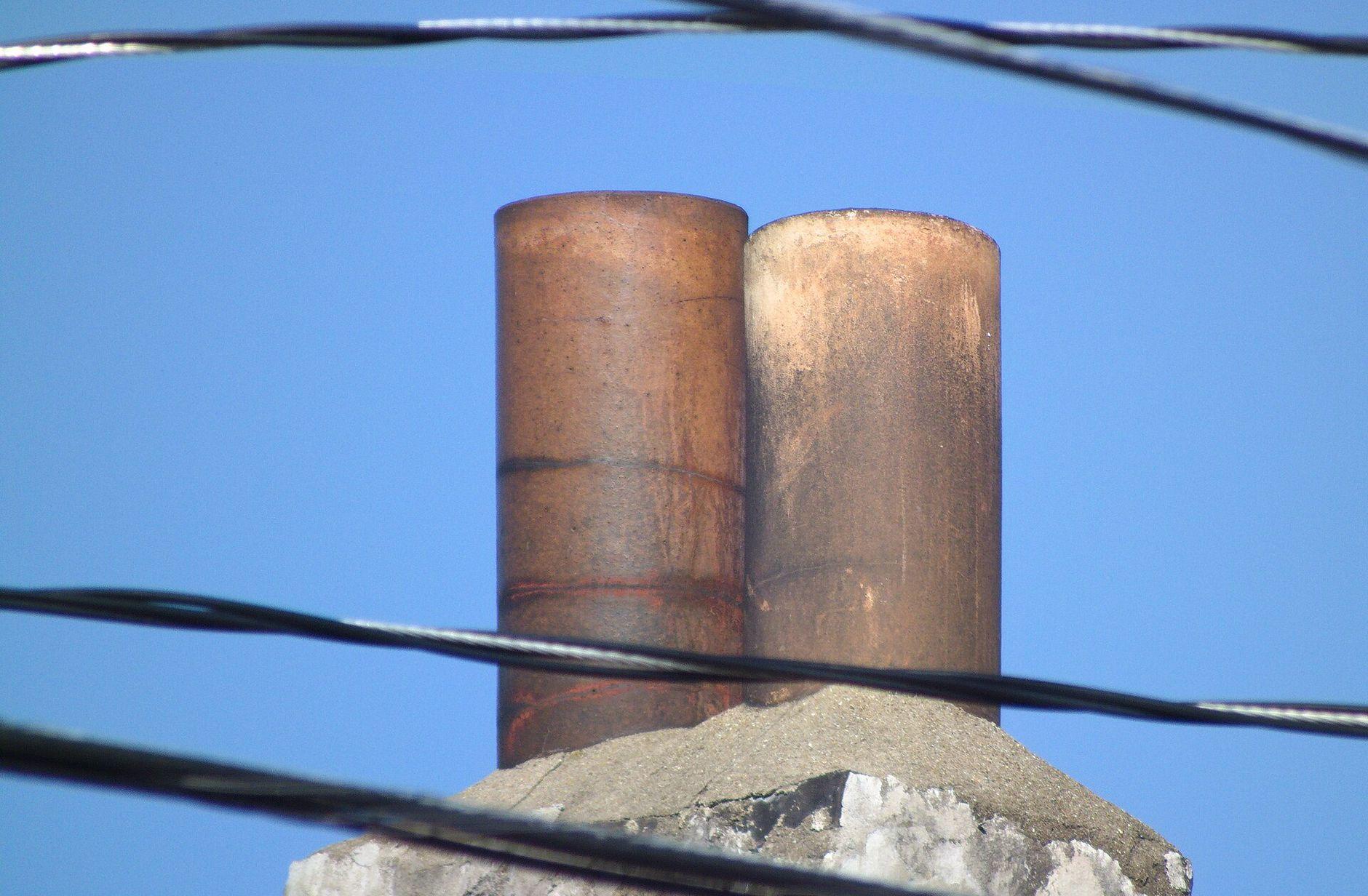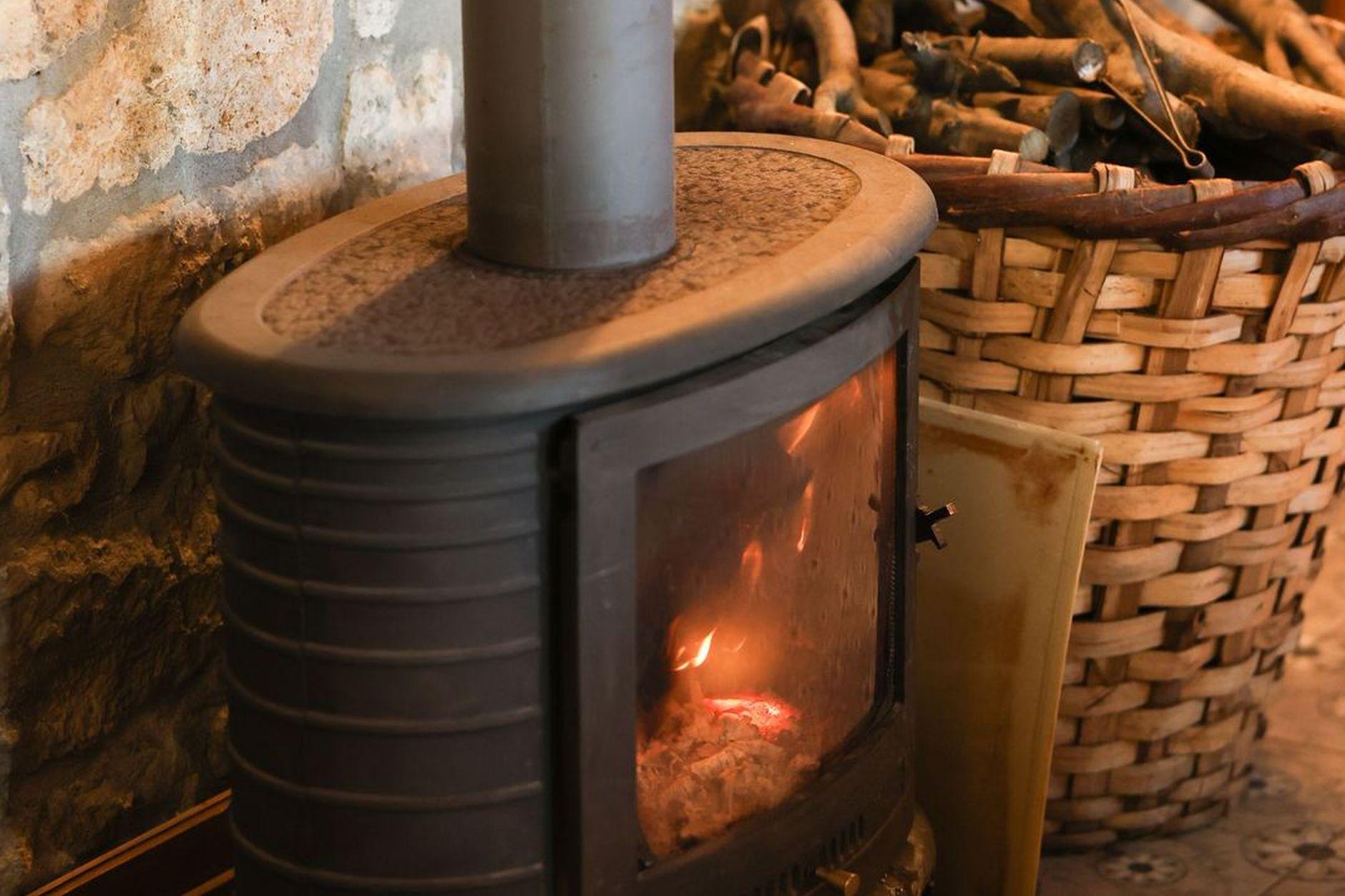
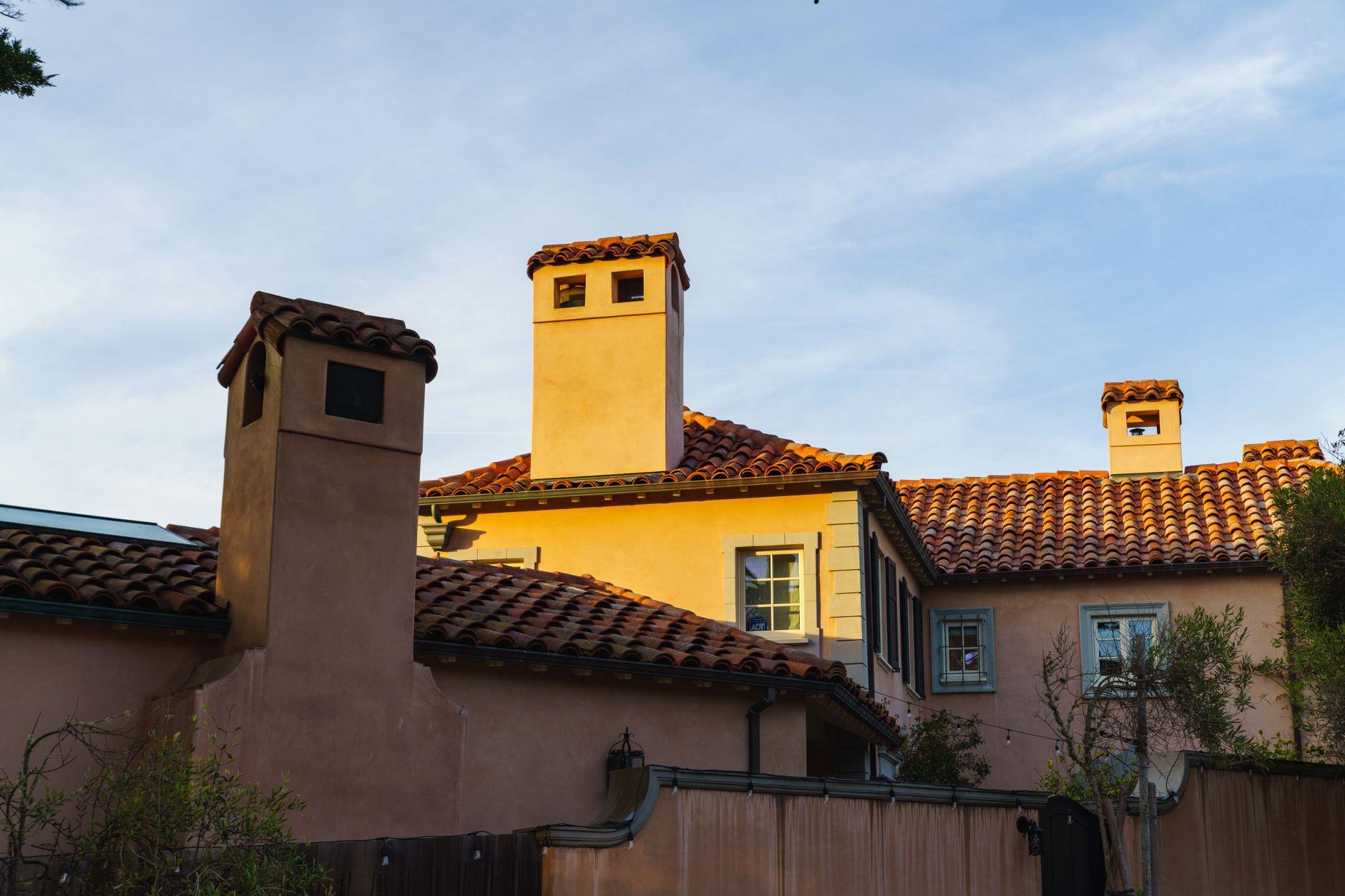
Brick soaks up water the way a sponge does, slowly and from every face. On a chimney that stands in the open, every storm pushes water a little deeper, and the damp works through to the flue, the framing and the room. A repellent coating stops most of that. Its success depends less on the product than on when it goes on and what state the brick is in. For Laguna Niguel owners, Rourke Chimney Experts plans this job around two windows each year, and one of them is clearly better.
What the coating does
The product we use soaks into the outer layer of the brick and mortar and lines the tiny channels water travels through. It does not form a skin. That matters, because a chimney has to dry out from the inside as well. Paint, plain sealers and coatings sold for concrete trap moisture behind them, and the face of the brick pops off in flakes after a few winters.
Done right, the chimney looks the same as before. Rain sits on the surface and runs off instead of soaking in. Full detail is on our chimney waterproofing page.
What has to come first
A repellent protects sound brick. It does not fix a chimney that leaks for other reasons, and putting it on early wastes it. Before any coating, we check:
- the crown: a cracked top lets water straight into the core
- the mortar joints: open joints need repointing first
- the flashing: where the chimney meets the roof
- the cap: an open flue takes rain inside regardless of the brick
- the brick itself: cracked or crumbling faces need replacing
If any of these fail, that repair goes first. Our leak repair page covers how we trace the source.
Spring or fall: which window
The rule is dry brick, mild weather and a clear forecast while the coating cures.
- Late March and April: possible after a dry stretch, but brick soaked by winter storms can take weeks to dry through. Then the marine layer of May and June keeps the surface damp most mornings near the coast.
- August to early October: our preferred window. The brick has had the whole summer to dry, the air is warm, and the coating has time to cure before the first rain.
- Winter: we do not coat a chimney in the rainy months. If water is coming in, the work is to find and stop the source, and the coating waits.
So the answer to the title is: fall, by preference, as long as it is finished before the rains. Spring works for a chimney that dried out early or sits in full sun.
What decides the figure
Waterproofing has no fixed price on our list, because chimneys vary so much in size and in what has to happen first. What moves the figure:
- the height and width of the chimney, which set the area to coat
- how high it sits and how hard it is to reach
- whether repairs must come first, and how many
- whether the chimney is brick, block, stone or stucco
Use the form to tell us whether the chimney is brick or stone, whether you have seen water inside in the last year, and which month you would like the work done. We call back to set a visit and send a written figure that lists any repairs ahead of the coating.
Prices for the work that often comes first
Some of the repairs that have to come before a coating have fixed prices on our list:
| Work done before the coating | Our price |
|---|---|
| Finding a leak and stopping it | $530 to $3,200 |
| A cricket on the high side of a broad stack | $425 to $960 |
| A cricket together with new flashing | $640 to $1,600 |
A cap to close the top of the flue is quoted after we measure. Crown, mortar and brick repairs get a written figure once we have seen them.
Signs your chimney would benefit
- dark, damp patches on the brick days after rain
- white powder or crust on the face of the brick
- flaking brick faces on the side that takes the weather
- a damp smell from the fireplace after a storm
- mortar that crumbles when brushed
Near the coast, salt air adds to the wear. Chimneys within sight of the water in Laguna Beach tend to show it first, but inland chimneys in Laguna Niguel that face the prevailing wind see it too.
Fitting it into the year
A coating is most useful as the last item in a dry season of chimney work. A sensible order for a household with some water trouble:
- March: sweep and inspection after the last fire.
- May to July: crown, cap, flashing or mortar repairs.
- August to October: waterproofing once the brick has dried.
- Winter: watch the ceiling and the brick after each storm.
Our post on crown repair before the rains covers the step that most often comes ahead of a coating.
How long a coating lasts
A repellent wears down with sun and weather, more slowly on a shaded face and faster on the side that takes the afternoon heat. We note the date and the product on your record, so the next visit can judge the surface against a known start. A Level 1 inspection at $160 each year is enough to tell whether water is beading off or soaking in again, and the coating can be renewed on its own once the brick shows signs of drinking rain.
Booking
The contact page takes the request. Tell us which month you have in mind, and we will check whether that window suits the chimney you have.
Which Month Suits Your Chimney?
Rourke Chimney Experts looks over the chimney, then dates each finding: before the next fire, this dry season, or next year's check. Appointments run from Laguna Niguel to Mission Viejo, Laguna Beach, Irvine and the towns between.