June mornings in Laguna Niguel come wrapped in marine fog, and that damp air is often what sends people looking for a company to clean the fireplace. Soot that sat quietly all winter starts to smell once the humidity climbs. Before you let anyone into the living room with a vacuum, it pays to know what you are hiring, what it costs and which month suits the job. This post is how Rourke Chimney Experts would want a customer to choose, even if they end up choosing someone else.
A fireplace cleaning is not a sweep
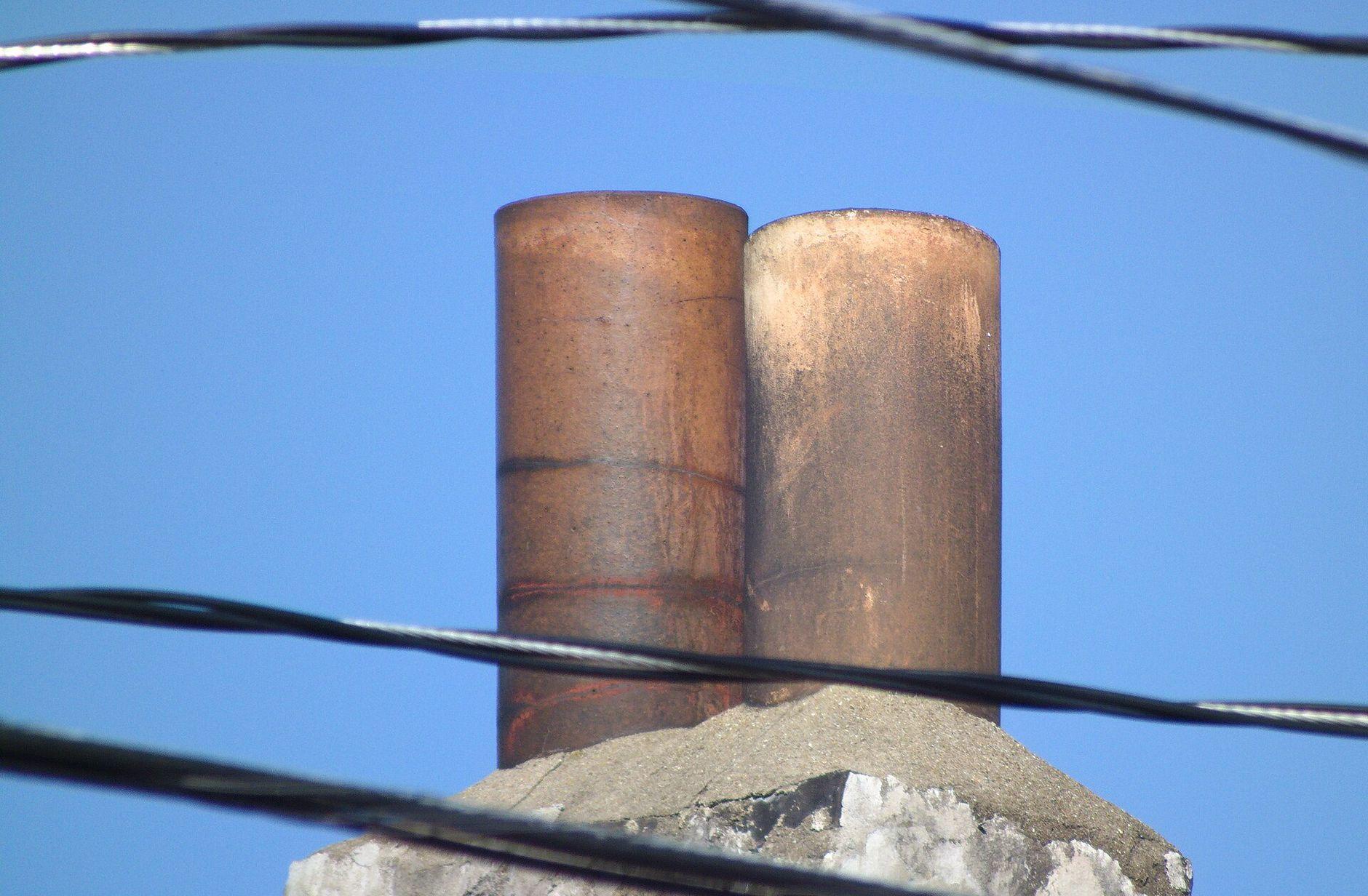
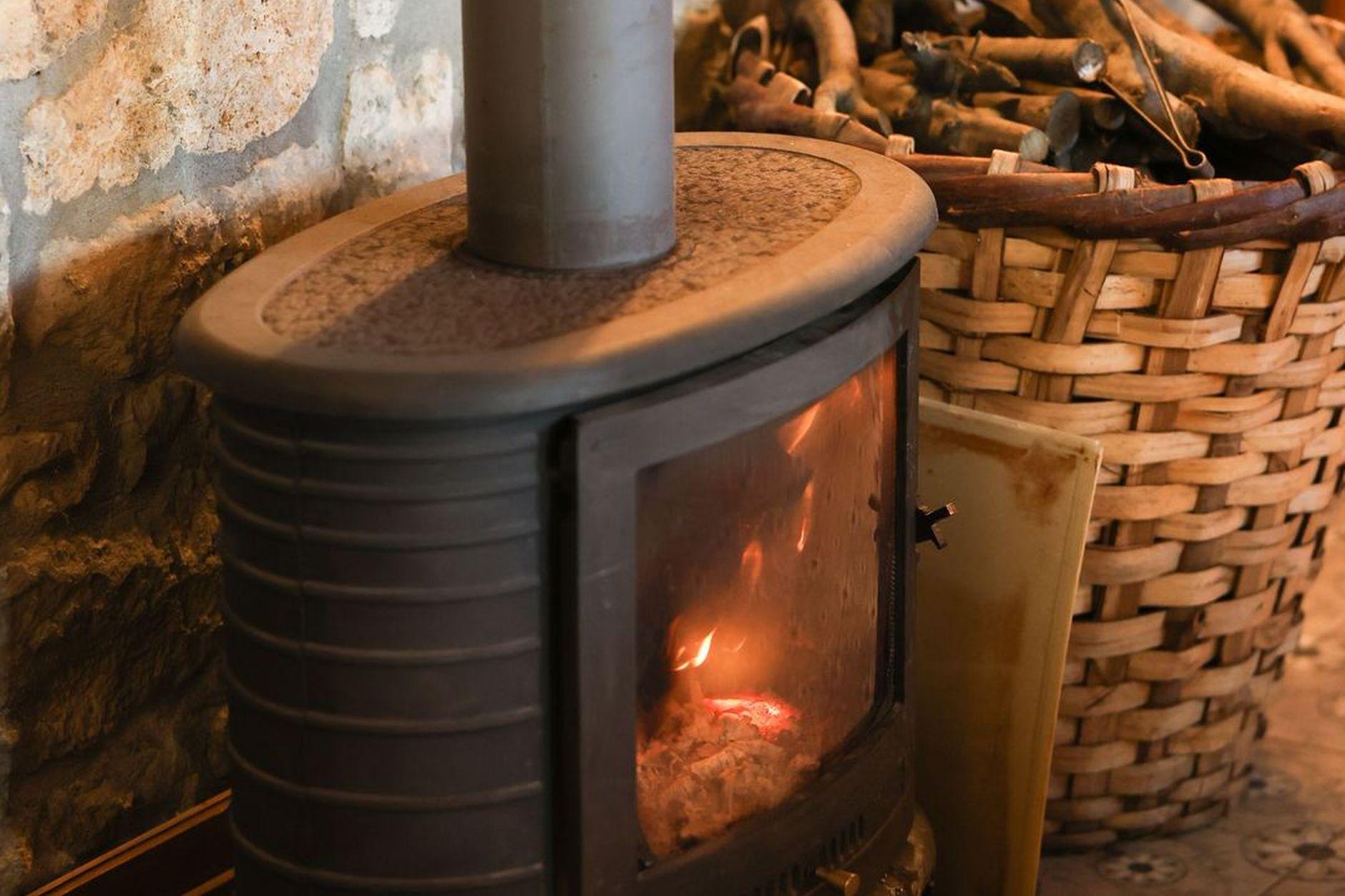
The two jobs share tools but cover different ground. A fireplace cleaning works on the parts you can see from the room: the firebox walls and floor, the grate, the glass doors and their frames, the screen, the hearth and the surround where smoke has stained it. A chimney sweep works up the flue, through the smoke chamber to the top.
Many households need both, but not always in the same month. If the fireplace burned only a handful of times last winter, cleaning the firebox and glass may be all it needs. If it burned most weekends, the flue needs the brush, and cleaning only the bottom leaves the fuel for a chimney fire where it was.
Six things to pin down with any company
Ask these on the phone or by message before anyone books a day:
- What exactly is covered? Firebox, grate, glass, screen, hearth, surround. Get the list, not the word "everything".
- Is the flue included, or looked at? A company that will not even shine a light up the flue is cleaning a room, not a fireplace.
- How is the room protected? Cloths on the floor, the opening closed off while dust is stirred, a vacuum fitted with a fine filter. Soot gets into carpet and stays.
- What happens to the glass? Fireplace glass is heat treated. Some cleaners scratch it or leave a haze that bakes on at the next fire.
- Who decides on extra work? If the cleaner finds a cracked firebrick or a sticky damper, you want a written figure and a choice, not a larger bill at the door.
- What do I get when you leave? A short note on the state of the firebox, damper and glass is worth more than a clean hearth alone.
A company that answers all six without hesitation has done this before. A company that answers only the price has told you what it cares about.
What it costs, and what moves the figure
On our list, the sweep is from $400. A fireplace cleaning on its own has no fixed line, because a quick refresh of a gas firebox and a deep clean of a smoke stained brick surround are very different mornings. We price it once we know what the fireplace is and what it needs, and the figure reaches you in writing before we arrive.
What moves it:
- wood or gas, and how heavily it was used last winter
- glass doors or an open front, and the size of the glass
- how far smoke stains spread across the surround or mantel
- whether the flue needs the brush in the same visit
- whether the damper, grate or screen needs attention
Use the form to tell us the fuel, the size of the opening, whether it has glass doors and roughly how many fires it saw last winter. We come back with a figure for the cleaning, and for a sweep alongside it if the flue sounds like it needs one.
Which month suits a cleaning
The calendar matters more than people expect.
- March and April: the season has just ended and the deposits are dry and loose. They come off quickly, the smell never gets its summer start, and any damage found has months to be fixed.
- May and June: the marine layer arrives, and so does the smell. A cleaning now fixes the odor, but some of it may already be in the carpet and drapes.
- July and August: a fine time for a cleaning paired with a sweep, before the autumn queue.
- September and October: busy. Book early if the fireplace hosts the holidays.
- Mid winter: worthwhile for gas fireplaces whose glass has clouded, or wood fireplaces burning most nights.
When the job turns out to be bigger
Cleaning puts our hands and lights on parts that are usually hidden by ash and soot, so it is a good moment to spot trouble. The common finds are cracked firebricks, mortar washing out of the back wall, a damper plate rusted thin, and rain stains that point to a problem at the top. When that happens, the cleaning still finishes at its agreed price. The finding goes on the note with a plain description of where it is and what it means, and a separate figure if you want it fixed.
If the chimney itself needs a proper look, our chimney inspection page explains what each level covers.
What a good cleaning leaves behind
- a firebox you can see the brick of, with nothing loose on the floor
- glass you can see the flame through, with the door seal checked
- a hearth and surround with the smoke marks lifted, not smeared
- a room with no grey film on the furniture
- a written note on what we saw, kept with your house records
That last item is the one most often skipped, and the one most useful a year later when you are deciding whether the fireplace needs a sweep, an inspection or nothing at all.
Booking yours
If the smell has already started, or the glass has gone cloudy, the contact page is where to begin. Say what the fireplace burns and when it was last used, and we will put a cleaning on the calendar at a figure you have seen first.
Which Month Suits Your Chimney?
Rourke Chimney Experts looks over the chimney, then dates each finding: before the next fire, this dry season, or next year's check. Appointments run from Laguna Niguel to Mission Viejo, Laguna Beach, Irvine and the towns between.