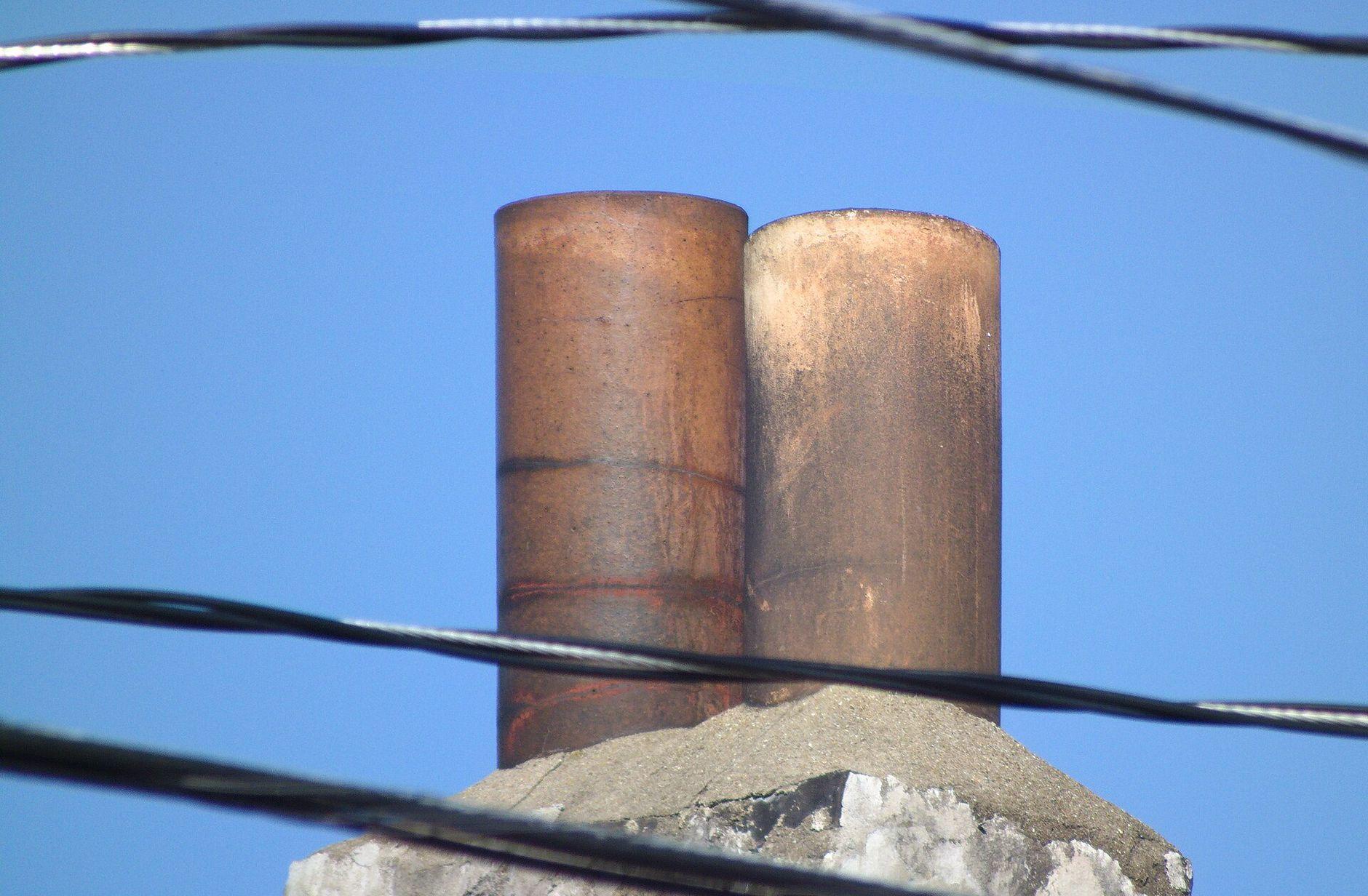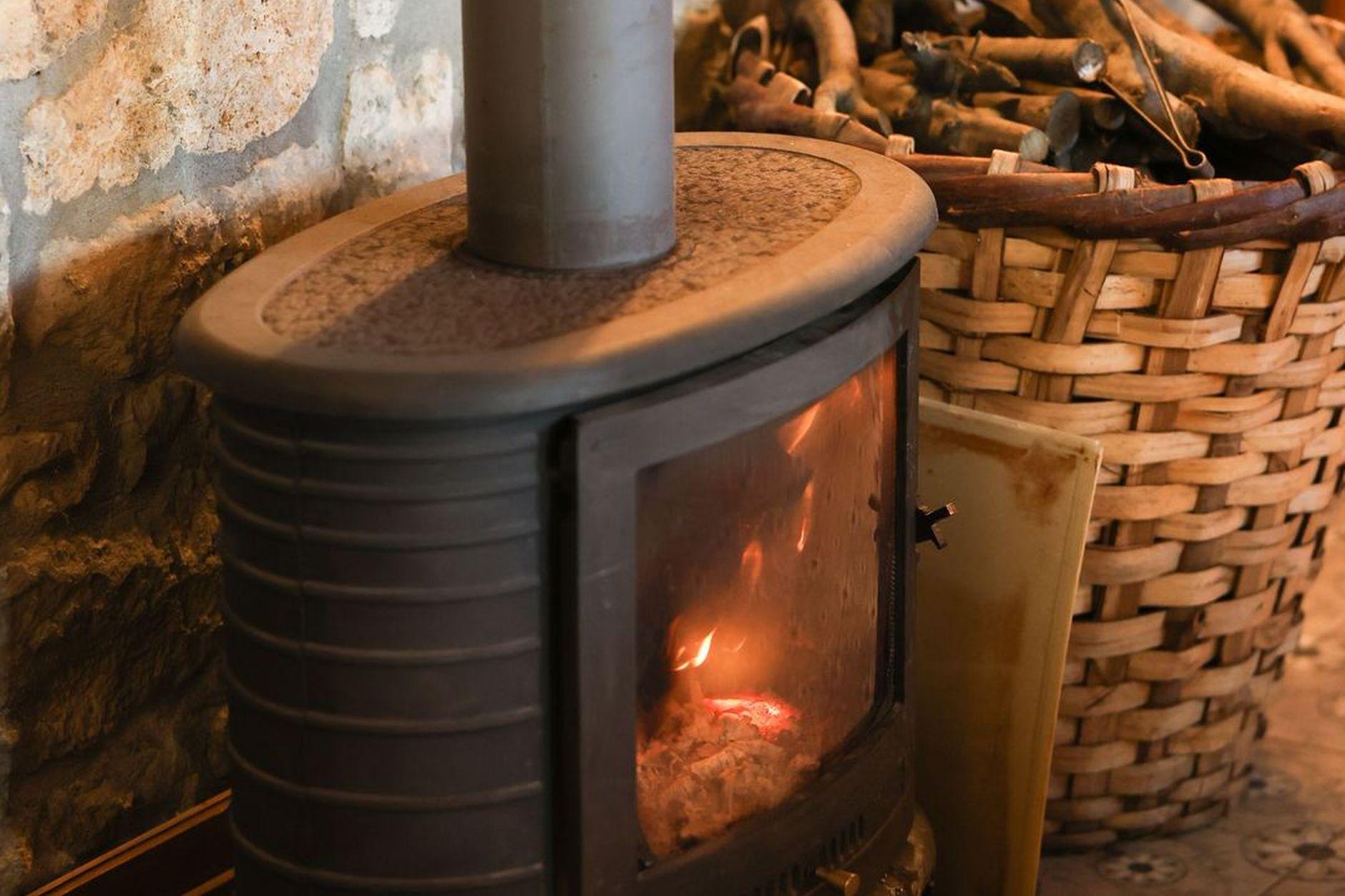

A winter offer on a condo or townhome with a fireplace lands right in the middle of burn season. The seller may have lit fires the week before the listing photos, the smoke chamber may still be warm, and the HOA may own half the chimney you are about to pay for. In Laguna Niguel, where plenty of homes share a wall with the next one, Rourke Chimney Experts sees this pattern every winter. This post is for buyers and their agents who want the chimney answered before the contingency runs out.
Which inspection a purchase calls for
When a home passes to a new owner, the national chimney standard, NFPA 211, treats that as reason enough for the deeper visit. In our list that is the Level 2 at $370. It differs from a routine $160 check in one key way: a camera travels the length of the flue on video, so the inside of the chimney is seen and recorded rather than guessed at. The visit also covers the parts hidden in the attic or the walls where the access exists.
The reason is the history. A buyer cannot know how many evenings the unit burned, what went on the grate, whether flames ever reached the flue, or whether the 1994 quake or any later shaking moved anything. The camera answers what memory cannot. The full scope sits on the Level 2 inspection page.
Who owns which part
This is the question that changes everything for a condo buyer. Most associations split the chimney something like this, but the CC&Rs for your complex are what decide it:
- Inside the unit: the firebox, glass doors, screen, gas valve and log set are usually the owner's.
- Inside the walls: the flue or vent pipe and the chase may belong to the association, or to the owner, or be split.
- On the roof: the chase cover, the cap and the flashing are almost always the association's.
Our report notes where each finding sits physically. We do not rule on who pays; the CC&Rs and the HOA manager do that. But a finding labeled "rusted chase cover, roof level" goes to a very different desk from one labeled "cracked refractory panel, firebox".
What a winter purchase changes
Buying between November and March has three practical effects.
- The chimney may be in use. If the seller is still burning, we need the fireplace cold on the day of the visit. Tell the listing agent at the time of booking.
- Roof access can slip. Wet tile and wind can push the roof portion to another day. The interior and camera work usually still go ahead.
- Findings carry more weight. A buyer who wants a fire this winter needs the repair done before closing or a credit to cover it, and that conversation goes better with a written report in hand.
What decides the next step
Before you book, gather three things: the unit address and the gate or lockbox details from your agent, whether the fireplace burns wood or gas, and a copy of the HOA's maintenance chart if the seller can provide one. That last document saves real time once findings arrive.
Send the form with the unit address, the closing month and the names of everyone who should receive the report. We reply with the visit, the figure and an open day inside your window.
Who receives the report
Our client is the person paying for the visit. In a purchase that is usually the buyer, sometimes the buyer's agent. The report goes to the client, and to anyone else the client names: the agent on either side, a lender, an insurer, the HOA. The seller does not receive a copy unless the client asks us to share it.
What a unit owner can and cannot fix
If the report turns up work on the owner's side, the usual fixes are:
- cracked refractory panels or firebrick in the firebox
- a damper that will not seal, or a sticky gas valve
- glass doors with a failed gasket
- a gas log set that soots or burns yellow
Work above the ceiling or on the roof, such as a rusted chase cover or failed flashing, usually needs the association to approve or perform it. Buyers should not count on a fast fix there, since boards meet on their own schedule.
A gas fireplace is common in attached homes here, and it brings its own short list: a pilot that will not hold, a valve that sticks, glass with a cloudy film, a log set that leaves soot. Each of these sits on the owner's side in most complexes, and each can be raised with the seller in the same request as any chimney finding. Our gas fireplace repair page covers what those fixes involve.
Pricing the repairs into the deal
Some repairs carry a fixed price on our list:
| A finding a buyer may raise | Our price |
|---|---|
| Water reaching the unit from the chimney | $530 to $3,200 |
| A gas insert in place of a worn firebox | $2,650 to $5,300 |
A missing or rusted cap or spark screen is quoted after we measure the flue. Everything else gets a written figure once we have looked, which you can attach to a repair request or a credit ask.
Before the season ends
If you are buying this winter, book the camera visit as early in the contingency as you can, so there is time to hear back from the HOA if the finding is on its side. The home sale inspection page explains how we handle the paperwork.
When the unit and the timing are clear, use the contact page to book, and name everyone who needs a copy.
Which Month Suits Your Chimney?
Rourke Chimney Experts looks over the chimney, then dates each finding: before the next fire, this dry season, or next year's check. Appointments run from Laguna Niguel to Mission Viejo, Laguna Beach, Irvine and the towns between.